Must-Try Street Food Staples Found in Syrian Cuisine
Wiki Article
Exploring the Relevance of Syrian Food in the World of Halal Food
Syrian food stands as a significant column within the domain name of Halal food. Its common practices and rich tastes reflect a deep social heritage. Central to this food are healthful components that line up with Halal requirements. Recipes like kibbeh and tabbouleh not only nourish the body yet also foster togetherness. BBQ Halal Food. This exploration exposes exactly how Syrian food acts as a bridge amongst varied areas, inviting additional questions into its wider effects for social exchangeThe Rich Background of Syrian Cuisine
The attraction of Syrian food is deeply rooted in its abundant background, mirroring a tapestry of social influences and culinary traditions. Dating back hundreds of years, Syria has been a crossroads for various people, consisting of the Phoenicians, Romans, and Ottomans. Each of these societies left an enduring mark on the culinary landscape, adding special flavors and cooking techniques. Traditional recipes frequently integrate aspects from bordering areas, showcasing the fusion of spices and ingredients.The importance of common dining in Syrian society even more improves the culinary experience, as meals are typically shared among family members and buddies. Celebrations and spiritual events likewise play a crucial function in regional cuisine, with specific dishes planned for parties. This historic context not just improves the flavors of Syrian cuisine but also highlights its importance in cultivating neighborhood and connection, making it an important part of the Halal food landscape today.Secret Ingredients in Syrian Dishes
A vibrant scheme of active ingredients defines Syrian recipes, showcasing the region's farming bounty and diverse flavors. Central to several recipes are grains such as bulgur and rice, which serve as passionate bases. Fresh veggies, consisting of tomatoes, eggplants, and bell peppers, add to the vivid taste and nutrition of the food. Aromatic seasonings like cumin, coriander, and allspice enhance the deepness of flavor, while fresh natural herbs such as parsley and mint add brightness.Olive oil, a staple in Syrian food preparation, is utilized generously for both flavor and wellness benefits. Healthy proteins like lamb, chicken, and lentils play a crucial role, supplying crucial nutrients and heartiness. Milk products, specifically yogurt, are commonly consisted of, including creaminess to recipes. With each other, these key active ingredients show the rich tapestry of Syrian culinary practices, rooted in both history and the all-natural abundance of the land.Traditional Syrian Recipes and Their Halal Importance
While discovering conventional Syrian meals, one quickly uncovers their fundamental Halal value, which aligns with Islamic dietary regulations. Many popular meals, such as kibbeh, falafel, and tabbouleh, are crafted from active ingredients that are considered Halal, ensuring that they are permissible for intake by Muslims. The use of fresh veggies, vegetables, and grains reflects a commitment to health and wellness, which is likewise highlighted in Halal practices.Meat-based meals, including shawarma and grilled kebabs, utilize only Halal-certified meats, ensuring that the pets are slaughtered according to Islamic guidelines. Seasonings and herbs play an important role in boosting flavor without endangering Halal honesty. On top of that, the public nature of Syrian dishes fosters a sense of togetherness and shared values, enhancing the value of Halal techniques in social settings. Subsequently, conventional Syrian cuisine not just thrills the palate but likewise supports considerable religious concepts within the Muslim community.The Role of Syrian Cuisine in Cultural Exchange
Syrian cuisine functions as a dynamic medium for social exchange, showcasing the abundant tapestry of impacts that have shaped the area over centuries. It personifies a blend of flavors and techniques drawn from different people, consisting of Ottoman, Persian, and Mediterranean cultures. This cooking diversity not only shows Syria's historical profession paths yet likewise highlights the interconnectedness of areas across borders.Through food events, cooking courses, and shared dishes, Syrian meals such as kibbeh, baklava, and tabbouleh have transcended their geographical origins, presenting their special preferences to an international target market - BBQ Halal Food. These culinary exchanges foster an admiration for the artistry of Syrian food preparation, promoting dialogue and understanding among various cultures. In addition, the boosting appeal of Syrian food in global markets highlights its possible to link cultural divides, permitting individuals to connect through the global language of food. Eventually, Syrian cuisine acts as an affirmation to the power of cooking heritage in fostering worldwide unityAdvertising Inclusivity With Shared Syrian Dishes
Often Asked Concerns
What Are the Wellness Conveniences of Syrian Cuisine?

Exactly How Is Syrian Cuisine Adjusted for Vegetarian Diets?
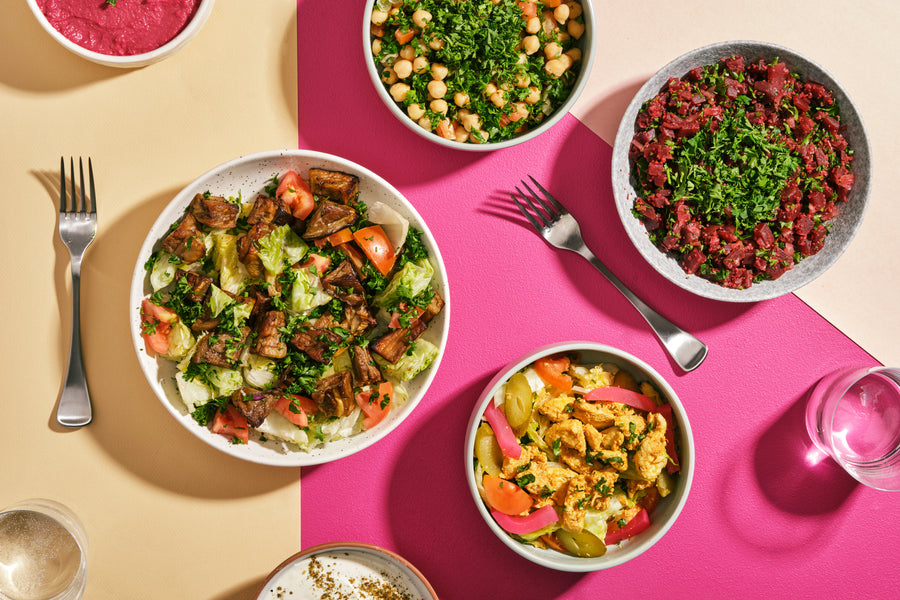
Syrian food adapts for vegetarian diets by including varied components such as vegetables, lentils, and chickpeas. Recipes like Mujadara and Fattoush showcase these aspects, providing delicious and nourishing choices that accommodate vegan preferences.Exist Any Type Of Common Irritants in Syrian Recipes?
Usual allergens in Syrian meals include nuts, specifically want walnuts and nuts, dairy items such as yogurt and cheese, and gluten found in bread and some pastries. Awareness of these allergens is crucial for diners with sensitivities.How Does Syrian Food Compare to Other Center Eastern Cuisines?
Syrian food, defined by abundant tastes and diverse ingredients, shares resemblances with various other Middle Eastern cuisines. Its unique use of spices, fresh natural herbs, and conventional cooking techniques sets it apart, highlighting its distinct cooking identification.What Are Popular Syrian Beverages Served With Dishes?
Popular Syrian beverages offered with meals include invigorating lemonade, strong Arabic coffee, wonderful mint tea, and yogurt-based drinks like ayran. These beverages match the abundant tastes of Syrian recipes, enhancing the general dining Brunch Kitsilano Vancouver BC experience. Syrian food stands as a significant column within the domain of Halal food. The appeal of Syrian food is deeply rooted in its rich background, mirroring a tapestry of cooking customs and cultural impacts. Syrian food, with its rich flavors and lively dishes, offers as a bridge for cultural exchange, welcoming individuals from various histories to gather around the table (BBQ Halal Food). The health and wellness advantages of Syrian food consist of an abundant variety of veggies, lean meats, and legumes, offering crucial nutrients. Syrian food, defined by varied ingredients and abundant tastes, shares resemblances with other Center Eastern cuisinesReport this wiki page